


Why Biodiesel is the Key to National Energy Security and People’s Welfare


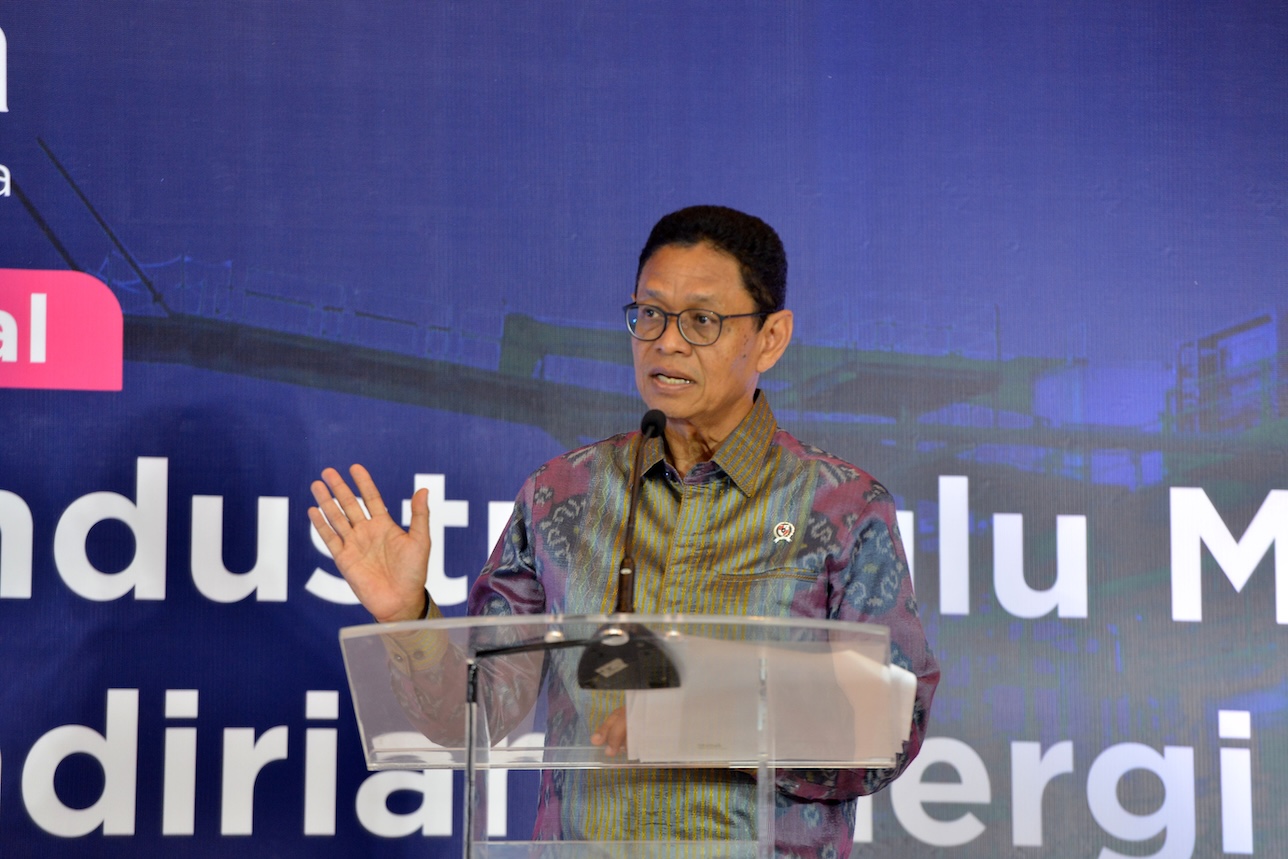
The Indonesian government is seriously pursuing energy security and self-sufficiency as the primary foundation for improving public welfare. Deputy Minister of Energy and Mineral Resources (ESDM), Mr. Yuliot, detailed several comprehensive strategies to achieve this ambitious goal during a National Symposium in Jakarta on Tuesday, July 8, 2025.
According to Mr. Yuliot, national policy places energy independence as the highest priority to strengthen national defense and resilience. “Energy independence is essential to stabilize national security. We must focus on self-sufficiency, the green economy, and continued downstreaming,” he explained.
Overcoming National Energy Challenges
Despite its great potential, the national energy sector still faces several complex challenges:
-
Distribution Inequality: Ensuring energy accessibility across all corners of the archipelago remains a major task.
-
Global Uncertainty: Geopolitical conflicts in energy-producing nations frequently trigger supply and price shocks.
-
Import Dependency: High reliance on imported energy places a heavy burden on the national trade balance.
-
Fiscal Burden: Substantial energy subsidies complicate the national budget.
These challenges must be addressed alongside Indonesia’s commitment to a 23% renewable energy mix by 2025 and the Net Zero Emission (NZE) target by 2060.
Comprehensive Strategy Toward Energy Independence
To answer these challenges, the government has prepared several key strategies:
-
Lifting and Infrastructure: Targeting oil lifting of 1 million bopd and gas lifting of 12 billion MMSCFD by 2030. This includes gas pipeline projects such as Cisem (325 km) and Dusem (555 km).
-
Power Supply Expansion: The 2025–2034 RUPTL targets an additional 69.5 GW of power capacity and 47,758 km of transmission lines.
-
Sustainable Energy Focus: Expanding the renewable energy footprint as a central pillar.
Biodiesel Mandates as the Spearhead
Among these strategies, the biodiesel mandate stands out as a critical tool for both energy and social policy. “In addition to energy security, the biodiesel mandate will also drive job creation,” Yuliot clarified.
The government has set the B40 mandate for 2025 and has an ambitious target to reach B50 by 2026. This bold move positions Indonesia at the forefront of the global biofuel movement. By 2034, renewable energy capacity in the national grid is projected to reach 42.6 GW.
Through a holistic approach that blends optimized fossil fuel production with the massive acceleration of renewables—led by biodiesel—Indonesia is not only fighting for energy independence. It is paving the way toward a green economy that creates sustainable jobs and elevates the welfare of its people.