


Does Ethanol Fuel Drain Your Engine and Wallet? Let’s Check the Facts!


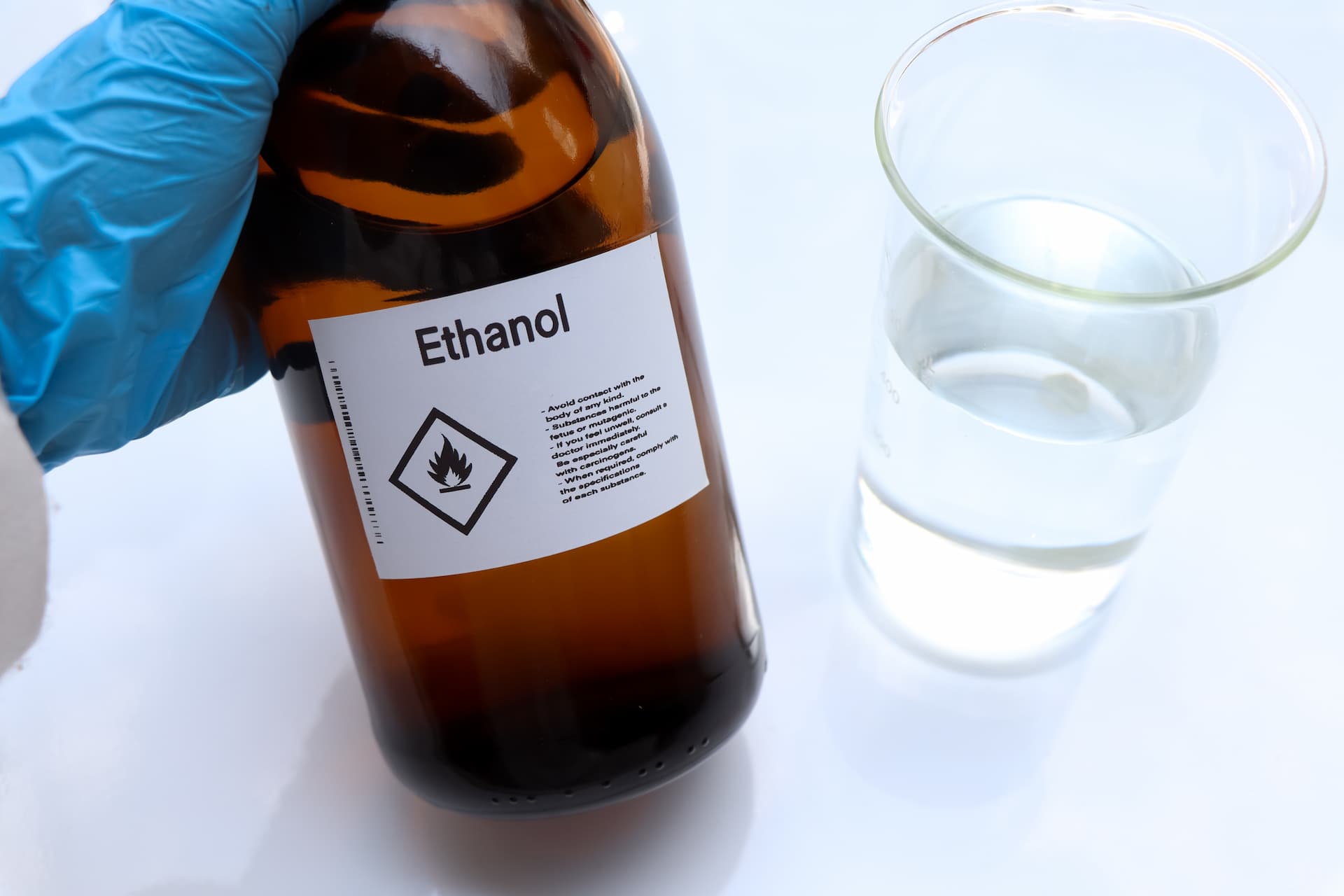
Ethanol (or ethyl alcohol) is a chemical compound from the alcohol group that functions as an alternative fuel and a blending agent for gasoline. Gasoline mixed with ethanol is specifically known as gasohol.
Bioethanol is a type of ethanol produced through the fermentation of sugars from renewable natural resources, such as sugarcane, corn, or cassava. Ethanol is blended into gasoline at specific levels, such as E5 (5% ethanol, 95% gasoline) or E10 (10% ethanol, 90% gasoline).
Key Roles and Benefits
Ethanol is blended into fuel primarily for environmental goals and energy security. Some of its main benefits include:
-
Reducing Emissions: Ethanol contains oxygen, which promotes more complete combustion. This helps lower greenhouse gas emissions (such as $CO_2$ and $CO$) and air pollution.
-
Increasing Octane Rating: Ethanol has a high octane rating (up to RON 110). When blended, it boosts the gasoline’s octane level, helping to prevent engine knocking and allowing the engine to operate more efficiently.
-
Supporting Renewable Energy: Derived from plant-based sources, its use reduces dependency on fossil fuels and strengthens national energy independence.
-
Safe for Vehicles: Low-level blends (E5 or E10) are generally safe and can be used in existing vehicles without requiring significant engine modifications.
Potential Impacts of Ethanol on Vehicles
While beneficial, ethanol blends also present potential challenges, especially at higher concentrations:
-
Higher Fuel Consumption: Ethanol has a lower energy content (Lower Heating Value/LHV)—about 30% less than pure gasoline. Consequently, the engine requires a slightly larger volume of fuel to produce the same amount of power, which can lead to marginally higher fuel consumption.
-
Cold Start Issues: Ethanol has a low Reid Vapor Pressure (RVP). In cold temperatures, ethanol-blended fuel may struggle to vaporize, which can make the engine harder to start (the cold start problem).
-
Corrosion Potential: Ethanol is higroscopic, meaning it easily absorbs water from the air. Water accumulation in the fuel tank can lead to issues such as corrosion and fuel degradation, particularly if ethanol levels are high and storage systems are inadequate.
[Image comparing the chemical properties of ethanol and gasoline regarding energy density and water absorption]
Overall, ethanol is considered a significant step toward cleaner and more sustainable energy sources, though it requires adjustments regarding fuel efficiency and potential engine impacts.