


Palm Biodiesel Successfully Reduces Emissions 400-Fold Since 2010


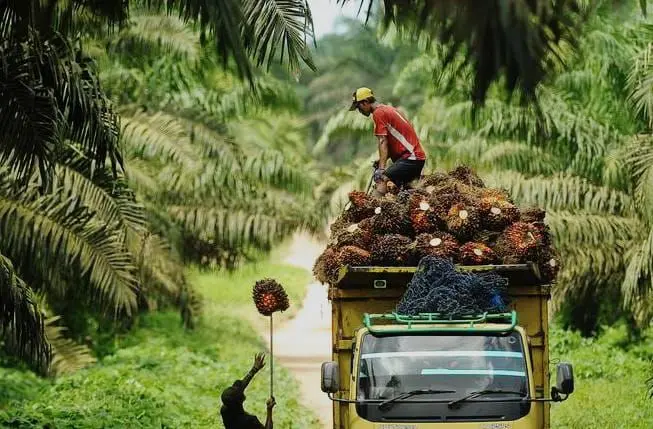
Palm-based biodiesel has recorded a highly significant role in national efforts to reduce greenhouse gas (GHG) emissions. Over the last ten years, the utilization of this biofuel as a replacement for fossil diesel in the energy and transportation sectors has seen an extraordinary surge in contribution.
According to a report from the GAPKI website (11/30/2025), the implementation of the biodiesel mandate has transformed it into a clean energy instrument with measurable emission reduction impacts, particularly since the B30 policy was implemented across Indonesia.
Extraordinary Achievements of Palm Biodiesel
The emission saving figures from palm biodiesel show a dramatic increase:
-
In 2010, emission savings were recorded at approximately 592.3 thousand tons of $CO_2$ equivalent.
-
By 2020, this figure surged to 22.3 million tons of $CO_2$ equivalent.
This spike marks a 400-fold increase in contribution since 2010, making it the largest achievement in palm-based energy contributions toward the national climate goals.
Low-Emission Energy Transition Strategy
This significant increase positions palm biodiesel as a strategic pillar in supporting Indonesia’s GHG emission reduction targets, specifically in the energy sector, which is the largest source of emissions.
The characteristics of palm biodiesel—which burns cleaner, is non-toxic, and is renewable—are considered highly suitable for the needs of the national low-emission energy transition.
-
NDC Achievement: The adoption of B30 in 2020 was reported to have met approximately 59% of the emission reduction target set for the energy and transportation sectors that year (which was 0.038 Gigatons of $CO_2$ equivalent).
-
Future Targets: This contribution is vital in supporting Indonesia’s Nationally Determined Contribution (NDC) target to reduce GHG emissions by 29% independently (and 41% with international support) by 2030.
Opportunities for Advanced Green Fuel Development
The transformation of the palm oil industry also opens opportunities for the development of next-generation “green fuels.” This includes green diesel, green gasoline, and green avtur (Sustainable Aviation Fuel), which are currently being prepared to meet future energy needs.
Furthermore, the potential utilization of second-generation bioenergy (from biomass) and third-generation bioenergy (based on POME – Palm Oil Mill Effluent) serves as a further potential for the development of national palm-based clean energy. With these dynamics, palm biodiesel is an essential element in Indonesia’s roadmap toward a low-carbon economy.