


Biodiesel: The Strategic Key to Indonesia’s Net Zero Emission 2060 Goal


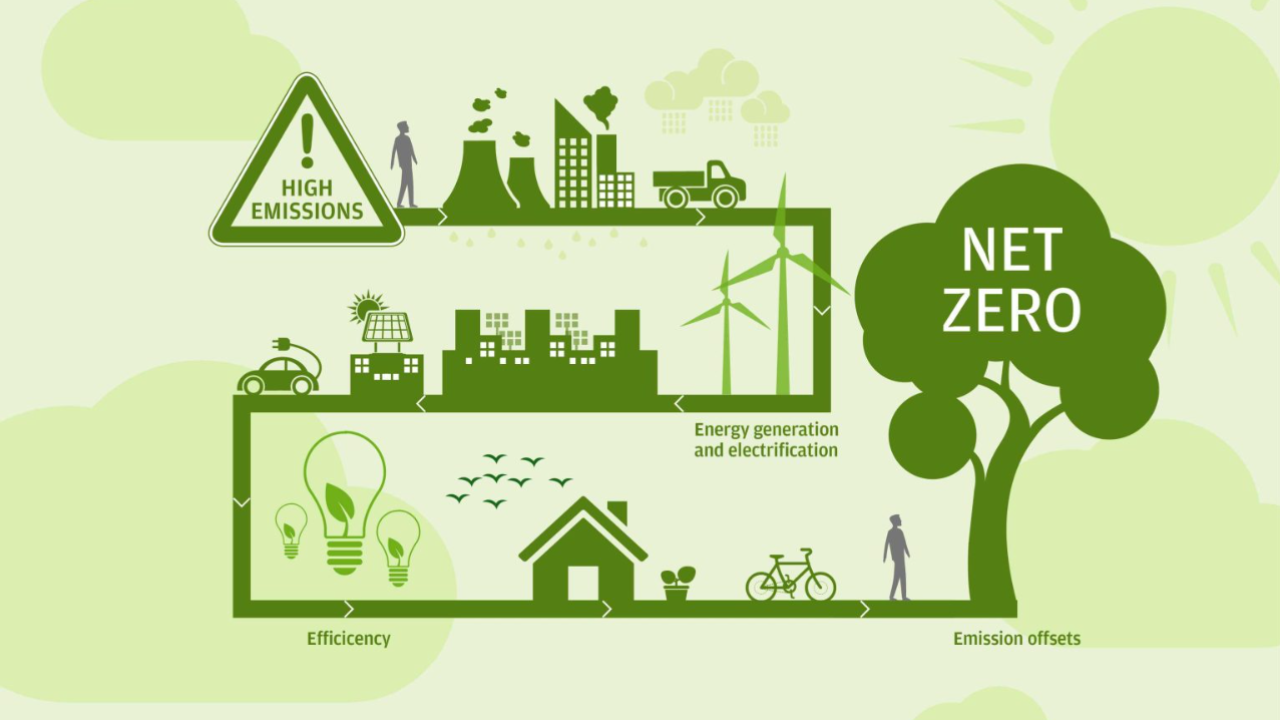
Amidst the increasingly visible global climate crisis, Indonesia stands at an energy crossroads. As a nation with rapid economic growth, energy needs are inevitable, but the emission burden from fossil fuels has reached a critical point. In this context, biodiesel emerges not merely as an alternative, but as a life-saving solution. It is time for us to believe and move forward together: biodiesel is Indonesia’s primary weapon to achieve the Net Zero Emission (NZE) target by 2060 or sooner.
Biodiesel: A Powerful Emission Reduction Weapon
Why should we trust biodiesel? The answer lies in its carbon footprint. Unlike fossil diesel, which releases “old” carbon from deep within the earth into the atmosphere, palm-based biodiesel is renewable. The carbon released during biodiesel combustion is the same carbon previously absorbed by palm trees during their growth phase. This creates a much more balanced carbon cycle.
Latest data from the Ministry of Energy and Mineral Resources (ESDM) and GAPKI shows that as of November 2025, the B40 biodiesel program has successfully reduced greenhouse gas emissions by 32.2 million tons of $CO_2$. Looking back over the past decade (2010–2020), biodiesel’s contribution to emission reduction surged 400-fold, from just 592.3 thousand tons to 22.3 million tons of $CO_2$ equivalent in 2020. This achievement proves that biodiesel is no longer an experiment, but the most measurable clean energy instrument in Indonesia.
Learning from Global Success: International Mandatory Data
Indonesia is not alone in the race toward green energy. Several countries have proven that high mandatory biofuel policies are the key to energy sovereignty:
-
Brazil (B14 – B15): A bioenergy pioneer, Brazil consistently increases its blend. As of 2024-2025, Brazil has implemented a B14 mandate with plans for B15. Their success in integrating agriculture with the energy industry makes them a global bioenergy benchmark.
-
United States (RFS System): Through the Renewable Fuel Standard (RFS), the US promotes the use of Biomass-Based Diesel. In states like Minnesota, a B20 mandate is effectively implemented during summer, proving that large-scale biodiesel is feasible in advanced industrial nations.
-
European Union (Germany & France): While focusing on Advanced Biofuels, countries like France implement B7/B10 blends for general diesel vehicles, while ramping up the use of HVO (Hydrotreated Vegetable Oil), which can reach a 100% blend.
-
Malaysia (B20): Our closest neighbor has moved forward with a B20 mandate for the transport sector to absorb domestic palm oil production and suppress national carbon emissions.
Indonesia, with the current B40 implementation and B50 plans for 2026, is actually a world leader in terms of the highest biodiesel blend percentage. We possess raw material sovereignty that other nations do not have.
Alignment with Indonesia’s NZE 2060 Target
In its Nationally Determined Contribution (NDC) document, the Indonesian government targets an emission reduction of 31.8% through domestic efforts and up to 43.2% with international support by 2030. The energy and transportation sectors are the largest emission contributors. Without biodiesel, this target remains a dream.
The implementation of B40 and the transition to B50 in 2026 are projected to significantly close the emission gap. Beyond the environmental impact, this transition saves hundreds of trillions of rupiah in foreign exchange. Believing in biodiesel means believing in a future with cleaner air and a more independent national economy.
A Call to Action for Indonesia’s Youth
The future of green energy rests in the hands of the younger generation. What must the youth do moving forward?
-
Be Educators and Advocates: Young people must be brave in correcting misinformation regarding palm oil and biodiesel using valid data.
-
Innovation and Research: We need experts capable of perfecting biodiesel technology to be even more engine-friendly (such as fuel polishing systems).
-
Adopt a Green Lifestyle: Support bioenergy-based products like Pertamax Green 95 and biodiesel as proof of consumer awareness.
Biodiesel is tangible proof that Indonesia can be energy-independent while protecting the Earth. The emission reduction of 32.2 million tons of CO2 is not just a statistic; it is an investment in the future. Let us fully support the move toward B50 for a greener and more independent Indonesia!