


Indonesia’s Palm Biodiesel: A Deciding Factor in Global Food and Energy Prices


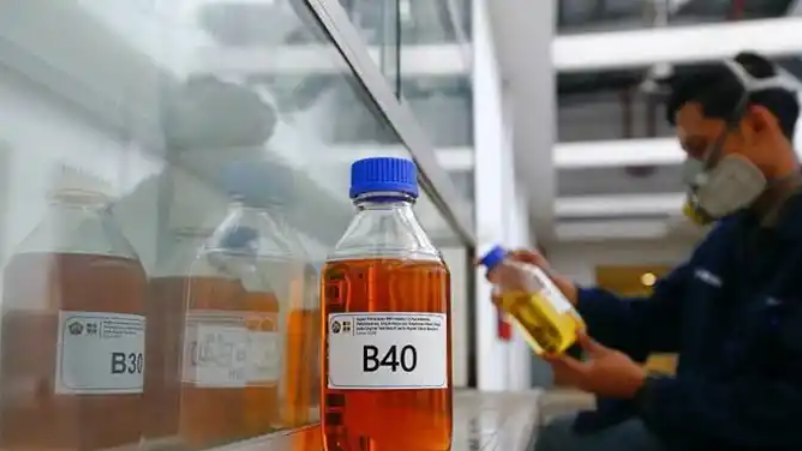
The development of biofuels has become a vital global agenda over the past two decades. This movement is driven by three main factors: the conservation of fossil energy (energy security), climate change mitigation through emission reduction, and the development of the agricultural sector (FAO, 2008).
Biodiesel production in any given country is highly dependent on feedstock availability. While the United States and Brazil rely on soybean oil, and the European Union utilizes rapeseed oil, Indonesia and Malaysia—as the world’s largest palm oil producers—lead the way in palm oil-based biodiesel.
The Vital Role of Palm Biodiesel: More Than Just Fuel
The use of palm oil biodiesel has a critical impact on the environment and the economy, both nationally and globally (PASPI, 2025).
-
Climate Mitigation: Reducing greenhouse gas (GHG) emissions and air pollution.
-
Energy Independence: Strengthening national energy sovereignty by reducing fossil fuel dependency.
-
Economic Growth: Driving the agricultural sector and providing direct benefits to farmers.
The contribution of palm oil as a global biodiesel feedstock shows a significant upward trend. According to USDA (2020) data, palm oil’s share of the global biodiesel feedstock market rose from 23% in 2015 to 36% in 2020, with volumes reaching 13.9 million tons (PASPI, 2021).
This increase is driven by several key advantages: a more competitive price point, relatively large supply volumes, and a more stable year-round availability compared to other vegetable oils.
Solving the Global “Food-Fuel Trade-Off”
A major concern accompanying the growth of biodiesel is the risk of a food-fuel trade-off—the idea that using vegetable oils for energy could trigger a spike in food prices.
Palm oil plays a crucial role in mitigating this risk. Due to its massive availability and competitive pricing, palm oil has the capacity to dampen price hikes in other vegetable oils. When the prices of soybean or rapeseed oil rise due to increased biodiesel demand, global consumers shift to palm oil as a substitute, thereby stabilizing the market (Kojima et.al., 2016).
Consequently, the contribution of palm oil to the global biofuel supply is not limited to biodiesel production. It also plays a vital role in reducing emissions, curbing fossil energy consumption, and providing a real solution to the food-fuel trade-off in the global commodity market. Furthermore, palm oil waste, such as Used Cooking Oil (UCO), has become an essential feedstock for the biodiesel industries in the European Union, China, and India.