


E5 and E10 Bioethanol: The Fuels of the Future


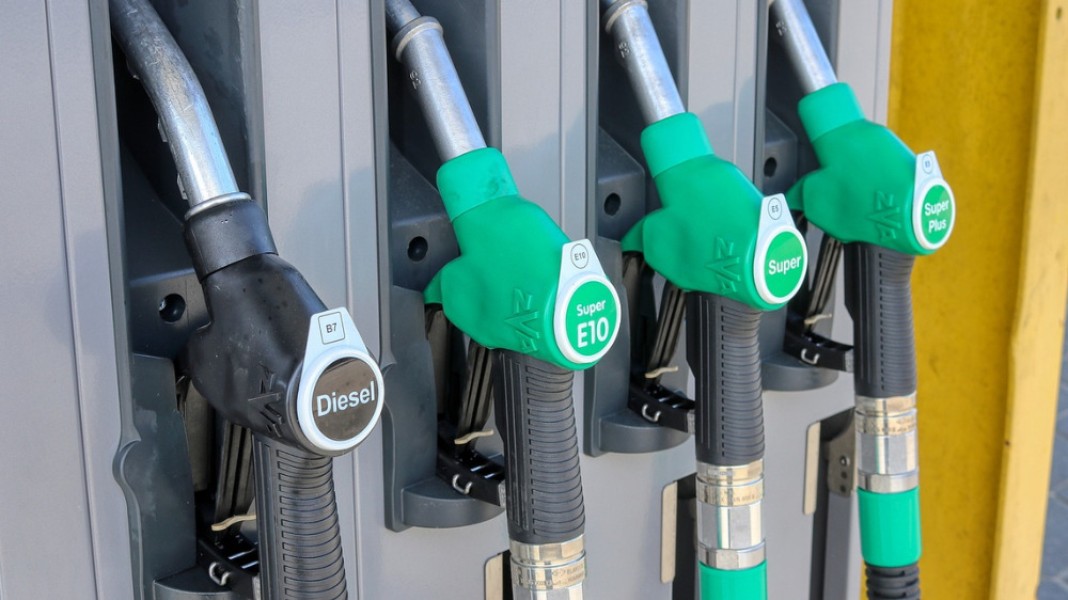
The Indonesian government, along with energy stakeholders, has reprioritized the development of bioethanol as a strategic step in its energy transition roadmap. Bioethanol is viewed as a “double key” to curbing fuel imports and serves as a vital instrument for reducing carbon emissions in the transportation sector to achieve national energy independence.
Despite a long track record dating back to Presidential Instruction No. 1 of 2006, which encouraged the use of biofuels, the implementation of bioethanol has experienced various fluctuations. However, it is now regaining significant momentum.
Pertamax Green and Air Quality
The demand for High Octane Mogas Component (HOMC) in Indonesia continues to rise alongside the rapid growth of motor vehicles. Bioethanol offers a solution that is beneficial from two perspectives:
-
Engine Performance: Ethanol has a high octane rating (RON) of approximately 128. When blended with base gasoline—such as in Pertamax Green 95 with a 5% bioethanol blend (E5)—it directly improves combustion quality, making the engine more responsive and efficient.
-
Environmental Impact: Blending bioethanol directly lowers emissions of harmful gases like carbon monoxide, supporting efforts to improve air quality and reduce greenhouse gas (GHG) emissions.
Pertamina has launched the Pertamax Green 95 product, sourced from sugarcane molasses, as a concrete step toward the future E10 target and as part of the broader roadmap toward Net Zero Emission (NZE) 2060.
Feedstock Challenges and Technological Innovation
Indonesia’s agricultural potential, particularly in sugar and starch-producing crops like sugarcane, cassava, and corn, serves as the primary raw material for first-generation bioethanol. Fundamentally, bioethanol is produced through the fermentation of complex sugars, beginning with the pretreatment of raw materials followed by yeast fermentation.
However, the greatest challenge lies in feedstock security. The government must ensure that increasing bioethanol production from sugarcane does not interfere with the national sugar supply for food (food security).
Consequently, technological mastery is the key. There is a global push to shift toward second-generation bioethanol technology, which allows for the use of agricultural waste like straw or lignocellulosic biomass (such as wood waste) that does not compete with food sources. This technology is considered far more environmentally friendly and sustainable.
Synergy between the Ministry of Energy and Mineral Resources (ESDM), the Ministry of Agriculture, and State-Owned Enterprises (BUMN) is absolutely essential. Measures such as sugarcane land extensification and the diversification of raw material sources must be consistently implemented to ensure the national bioethanol program remains sustainable and supports Indonesia’s energy resilience.