


APROBI Reveals Palm Oil as the Secret Key to “Golden Indonesia 2045”


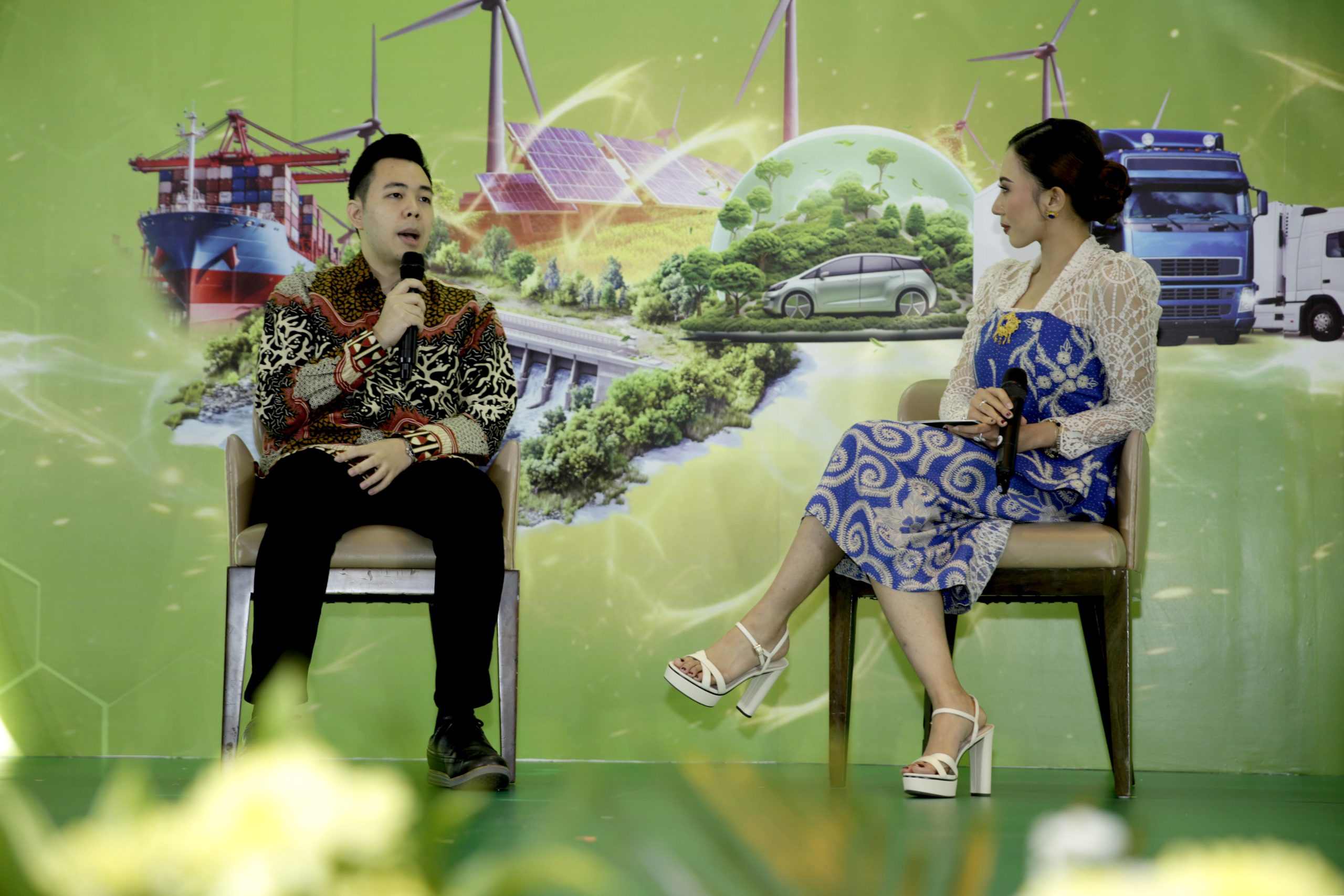
The Indonesian Biofuel Producers Association (APROBI) has reaffirmed its commitment to the national energy transition through its annual National Seminar, “Opportunities and Challenges of the Bioenergy Industry Toward Golden Indonesia 2045.” Held at the Pullman Hotel, Jakarta, on July 17, 2025, the event served as a vital forum for stakeholders to exchange deep insights into the renewable energy sector.
Catra de Thouars, APROBI’s Vice Chairman for Communications and Promotion, emphasized that bioenergy will be a primary pillar in realizing the nation’s 2045 vision. “We hope these discussions provide a positive impact for industry players, students, and policymakers alike,” Catra stated, highlighting that green energy policies directly correlate with public welfare.
Proactive Diplomacy: A New Narrative Against Global Discrimination
The first session, “Accelerating the Implementation of Sustainable Bioenergy and Its Challenges,” featured Vice Minister of Foreign Affairs, Arif Havas Oegroseno, who unveiled a more aggressive and inclusive diplomatic strategy.
-
Smallholder Empowerment: Indonesia is shifting its narrative by involving female farmers from the palm oil, rubber, and cocoa sectors as “ambassadors of justice” to counter international misconceptions.
-
Global Alliances: Indonesia has leveraged the BRICS forum to build solidarity among vegetable oil-producing nations. Together with Brazil, Indonesia is pushing for a unified global standard for vegetable oils to challenge the unilateral dominance of the EUDR (European Union Deforestation Regulation).
-
Shifting from Defensive to Offensive: “We must stop being reactive,” Havas asserted. “We must lead standards and be present early in international negotiation forums.“
-
Market Expansion: Beyond traditional markets, Indonesia is targeting Africa (South Africa, Egypt, Morocco) not just for trade, but for strategic plantation investments in West and East Africa.
The Roadmap to B50: Ambition Meets Infrastructure
Eniya Listiani Dewi, Director General of New, Renewable Energy, and Energy Conservation (EBTKE) at the Ministry of ESDM, praised APROBI’s 20-year journey in guarding the biodiesel program. She emphasized that energy self-sufficiency must be the “true face” of national policy.
The government is currently refining a new regulation (Permen No. 4) to comprehensively govern biofuels, including biodiesel, bioethanol, bio-aviation fuel (SAF), and hydrotreated plant oil.
The B50 Challenge:
-
Supply: Implementing B50 would require approximately 20 million kiloliters of Fatty Acid Methyl Ester (FAME), an increase of 5 million tons from B40 requirements.
-
Technological Mix: Discussions are ongoing whether B50 will consist of a 50% FAME blend or a mix (e.g., 40% FAME and 10% Hydrotreated Vegetable Oil/HVO).
-
Infrastructure: To support this leap, Indonesia requires five new large-scale biodiesel plants, three of which are already under construction.
-
Pilot Projects: Implementation may begin with limited trials, such as a scenario-based rollout in Jakarta to test urban infrastructure readiness.
Multi-Sector Synergy for 2025
The second session, “Update on the 2025 Bioenergy Program,” brought together academics from ITB, aviation regulators, and Pertamina’s refinery experts. This synergy ensures that the roadmap toward 2045 is technically sound, economically viable, and environmentally sustainable. By integrating research with industrial scale, APROBI and its partners are positioning bioenergy as the backbone of a self-sufficient Indonesia.