


Indonesia’s Bioavtur (SAF): A Global Hero for Greener Skies


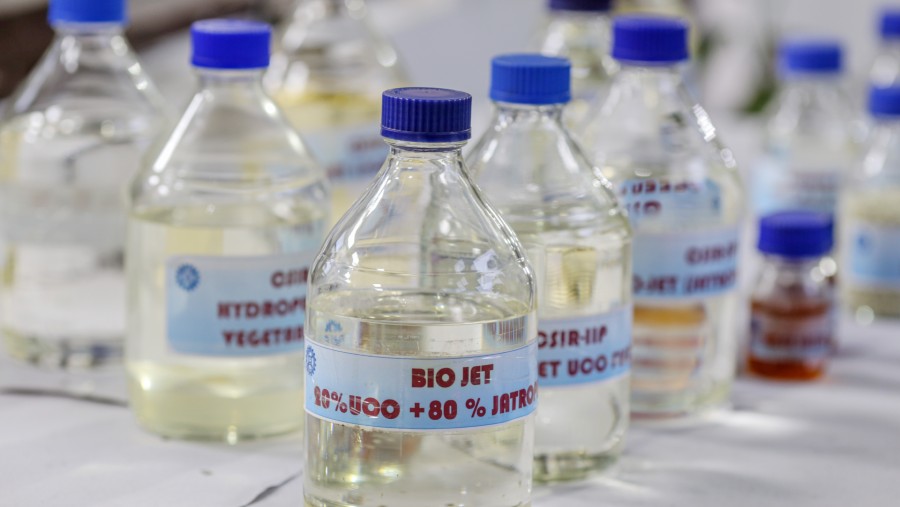
Indonesia is asserting its position as a major power in the development of global Sustainable Aviation Fuel (SAF), or bioavtur. With its wealth of plant-based resources, Indonesia aims not only to implement SAF in its aviation sector but also to build a national SAF industry based on innovation and the utilization of abundant local resources—particularly palm oil and its by-products.
The PASPI Monitor (2025) emphasizes that the development of palm-based SAF is the key to “greener skies” by utilizing palm kernel oil, by-products, and waste.
Palm Oil and the Advantage of HEFA Technology
Palm oil is a primary feedstock with immense potential for bioavtur production. The fatty acids in palm kernel oil are chemically similar to fossil fuel hydrocarbons. Through Hydro-processed Esters and Fatty Acids (HEFA) technology, these fatty acids can be processed into SAF.
-
Research and Commercialization: Through the BPDP Palm Oil Research Grant (GRS), intensive research has led to innovations like the Red and White Catalyst (Katalis Merah Putih). Consequently, the Pertamina Internasional Refinery (KPI) in Cilacap successfully produced J2.4 bioavtur (a 2.4% bioavtur blend) using Refined Bleached Deodorized Palm Kernel Oil (RBDPKO) through co-processing technology.
-
Proven Performance: J2.4 bioavtur passed flight tests on the CN-235 aircraft (2021) and Garuda Indonesia (2023, Jakarta-Solo route), demonstrating stable engine performance with no significant difference from conventional jet fuel.
-
Industrial Readiness: Key factors supporting commercialization include feedstock availability, the maturity of HEFA technology, and KPI’s co-processing refinery capacity, which reaches 347 million kiloliters per year.
Used Cooking Oil & PFAD: High-Value Waste for Sustainable SAF
Beyond primary palm oil, Indonesia holds vast potential in palm-related waste and by-products, which offer significant sustainability advantages: Used Cooking Oil (UCO) and Palm Fatty Acid Distillate (PFAD).
-
Maximum Emission Reduction: Because UCO and PFAD are categorized as waste or by-products, their life-cycle emission reductions are more significant. Using UCO for SAF results in a zero Indirect Land Use Change (ILUC) value, yielding the lowest carbon intensity—an 84% saving compared to fossil jet fuel (ICAO, 2021).
-
CORSIA Certification: Both UCO and PFAD are on the “positive list” as CORSIA-eligible fuels due to their low Life Cycle Assessment (LCA) values and lack of connection to land conversion. This ensures Indonesian SAF is globally recognized as sustainable.
-
Circular Economy: Utilizing UCO—projected to reach 3.9 million tons per year (Kemenko Marves, 2024)—supports a circular economy by turning household and commercial waste into high-value energy.
Future Potential: POME and EFB
The feedstock potential extends further. Other palm by-products, such as Palm Oil Mill Effluent (POME) and Empty Fruit Bunches (EFB), are also wastes that could potentially meet CORSIA-eligible fuel criteria.
-
POME: This organic-rich liquid waste can be processed into SAF via the HEFA pathway.
-
EFB: This solid biomass is a candidate for Fischer-Tropsch or Alcohol-to-Jet technologies for future bioavtur production.
This wealth of resources, supported by the maturity of HEFA technology and the Red and White Catalyst innovation, places Indonesia in a strategic position to lead the global production and development of Sustainable Aviation Fuel.