


Indonesia’s Biodiesel: Reducing Global Emissions


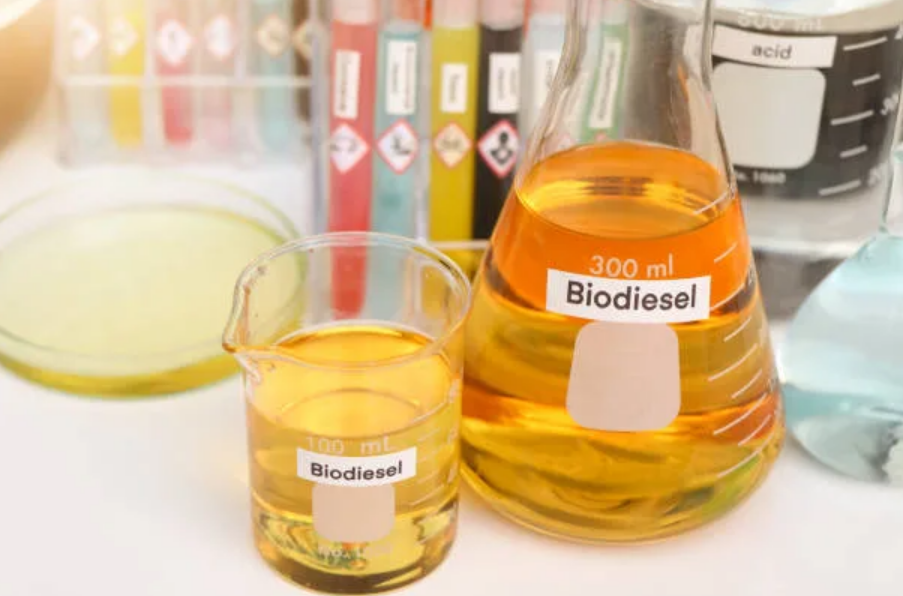
The global effort to lower greenhouse gas (GHG) emissions requires two simultaneous strategic solutions: re-absorbing existing atmospheric emissions and reducing new emissions, particularly those originating from fossil fuels. The energy sector is indeed the primary contributor, accounting for approximately 73.2% of total global GHG emissions, making it the main target for the clean energy transition.
Amidst this challenge, Indonesia has emerged with a solution based on its natural resources: the palm oil industry, which plays a dual role in climate change mitigation.
The Dual Role of Palm Oil: Carbon Sink and Fossil Emission Reduction
The palm oil industry contributes to GHG reduction in two significant ways:
-
Biological Carbon Sink: As a perennial crop with an intensive root system, oil palms act as biological “carbon sinks,” efficiently absorbing carbon dioxide ($CO_2$) from the atmosphere via photosynthesis. Studies indicate that oil palm plantations can achieve a net absorption of up to 64.5 tons of $CO_2$ per hectare per year, making them highly effective carbon absorbers.
-
Fossil Fuel Substitution: Substituting fossil fuels with palm biodiesel is a proven method for curbing emissions. According to the European Commission Joint Research Centre (2013), palm biodiesel produced in mills equipped with methane capture technology can save up to 62% in emissions. This is significantly higher than biodiesel from other vegetable sources, such as soybean (40%) or rapeseed (45%), underscoring the superior emission efficiency of palm oil.
Indonesian Biodiesel: Tangible Global Contribution
Indonesia has demonstrated its commitment to climate mitigation through its national mandatory biodiesel program. Since the implementation of B30 and now B40, the program has delivered measurable impacts. Data from the Ministry of Energy and Mineral Resources (ESDM) shows that this program has successfully reduced GHG emissions on a massive scale.
In 2024 alone, the implementation of the B35 program was estimated to reduce emissions by the equivalent of 34.9 million tons of $CO_2$. This represents a vital contribution to achieving national climate targets. Furthermore, the biodiesel program reduces Indonesia’s reliance on fossil fuel imports, strengthens energy security, and improves the welfare of palm oil farmers.
With its dual role as a carbon sink and a provider of clean energy through biodiesel, the Indonesian palm oil industry proves that it is not part of the climate problem, but rather an integral part of the global solution.