


Bioethanol: A Fiscal Lifesaver and the Key to Indonesia’s Energy Sovereignty


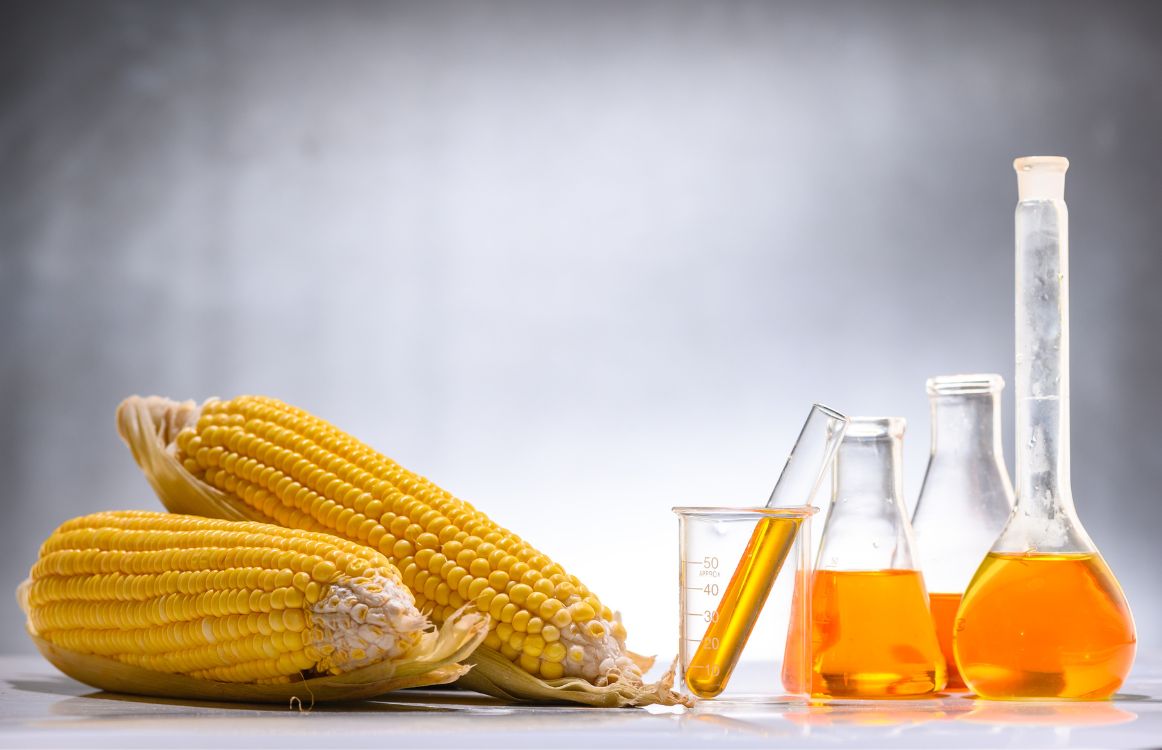
Indonesia currently faces a critical energy challenge, marked by fuel (BBM) imports that reached Rp 654 trillion in 2024. This figure, which heavily burdens the national budget (APBN) and the trade balance, demands immediate action. The government has set an ambitious target to begin substituting fuel with bioethanol by 2027, viewing it as a strategic solution to reduce fiscal pressure and restore the national energy balance.
Challenges in Accelerating Bioethanol
While bioethanol’s potential as a transformative agent is immense, the path forward is difficult. Discussions at the Kagama Leaders Forum highlighted that bioethanol acceleration is a systemic transformation currently hindered by structural challenges. The primary issues span from upstream to downstream, including raw material (feedstock) availability, low agricultural productivity, limited factory capacity, and a lack of harmonized regulations to create business certainty.
Budi Basuki, President Director of Medco Papua, emphasized that the weakest point lies in the feedstock. While processing plants are ready, the supply of sugarcane, cassava, and corn remains stagnant, necessitating government regulatory intervention.
The Bioethanol Productivity Crisis
Land productivity conditions, particularly for sugarcane, are at an alarming point. Mahmudi, President Director of SGN, noted that 65% of smallholder sugarcane plantations only yield 2–3 tons of sugar per hectare—far below the ideal potential of 15 tons. This crisis is exacerbated by non-uniform varieties, declining soil fertility, and aging crops (86% of the land requires replanting). SGN and the Ministry of Agriculture are now working hard to rejuvenate hundreds of thousands of hectares of sugarcane land and expand into new areas to improve the supply of molasses and sucrose, which serve as the basis for bioethanol.
Strategies and Potential Savings from Bioethanol
Nanang Kurniawan, VP of Technology & Engineering at PT Pertamina Power Indonesia, identified the utilization of molasses as the fastest acceleration route. Indonesia possesses approximately 1.7 million tons of molasses, much of which remains underutilized. Within the next two years, bioethanol production capacity from existing and additional plants is expected to reach at least 110,000 kiloliters.
Pertamina is also preparing a multi-feedstock strategy (direct sugarcane and sorghum) to secure supply. If the E10 program (10% bioethanol blend) is fully implemented, Pertamina estimates that Indonesia can save over Rp 100 trillion per year in fuel imports. The potential savings could even reach Rp 500 trillion if an E50 scenario is achieved. Given these immense benefits, the investment required to build the bioethanol ecosystem (estimated in the hundreds of trillions of rupiah) is considered a necessary investment for the future to realize energy independence and national resilience.