


Biomass: Indonesia’s Strategic Energy Solution


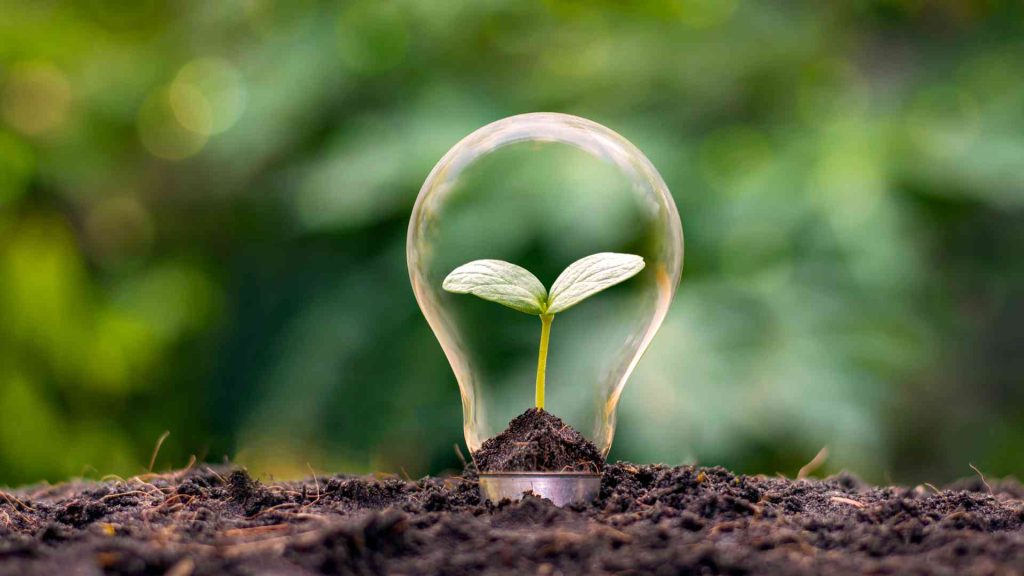
Indonesia is intensifying its energy transition, with biomass serving as one of its primary pillars. By transforming waste into valuable energy sources, biomass not only reduces dependency on fossil fuels but also creates a circular economic ecosystem that benefits the community. This strategy involves close collaboration between the government, industry, and research innovators, proving that biomass is the future of sustainable energy.
Biomass Utilization in Power Plants: PLN’s Practical Steps
PT PLN EPI is seriously harnessing biomass potential for the co-firing program in Steam Power Plants (PLTU). Hokkop Situngkir, Director of Biomass at PT PLN Energi Primer Indonesia (EPI), targets a utilization of 3 million tons by 2025, nearly doubling the previous year’s figure.
This target is supported by strategic partnerships with local governments, such as the collaboration with Indramayu Regency. This synergy aims to utilize agricultural, forestry, and plantation waste for PLTU fuel, directly reducing carbon emissions. This initiative also has a social dimension: PLN EPI empowers local communities by utilizing critical and marginal lands for biomass production, creating jobs and increasing local income.
From Palm Waste to Supercapacitor Technology
Technological innovation proves that biomass potential extends far beyond simple fuel. The National Research and Innovation Agency (BRIN) has researched the potential of palm oil waste, specifically Empty Fruit Bunches (EFB), as a raw material for supercapacitors.
Research Professor Rike Yudianti explained that EFB can be processed into porous carbon graphite, nanocellulose, and nano-silica—key materials for future energy storage devices. These biomass-based supercapacitors offer high performance, efficiency, and environmental friendliness, making them a vital solution for supporting clean energy. This research demonstrates that local biomass possesses extraordinary potential to drive advanced technology.
Policy Support and Cross-Sector Commitment
Deputy Speaker of the MPR, Edhie Baskoro Yudhoyono, fully supports the use of biomass co-firing technology as a path toward permanent clean energy. He emphasized the need for the ratification of the New and Renewable Energy Bill (RUU-EBT) as a strong legal umbrella to accelerate investment and achieve national renewable energy mix targets.
The synergy between central and regional governments, industries like PLN, and research institutions like BRIN is essential to guarantee a steady biomass supply. Through commitment and collaboration, Indonesia can establish biomass as a main pillar of energy independence—not only turning waste into resources but also building a greener future for all Indonesians.