


Palm Oil Waste Transformed into Eco-Friendly Bioethanol


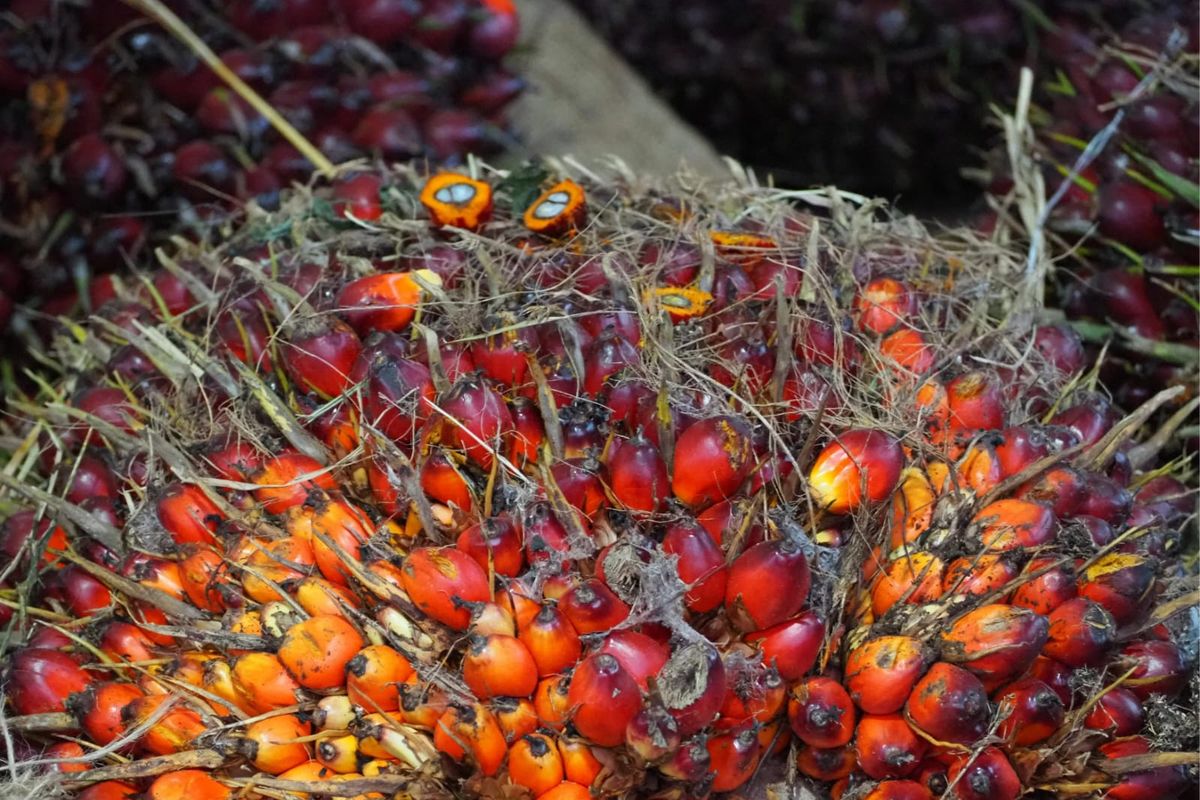
The Ministry of Industry (Kemenperin) is taking a major step forward in the national energy transition by utilizing palm oil waste, specifically Empty Fruit Bunches (EFB), as a raw material for bioethanol production. This process is carried out through glucose extraction and is fully supported by cross-sector synergy between the government and the industrial world.
Minister of Industry Agus Gumiwang Kartasasmita emphasized that collaboration is the key to delivering sustainable and environmentally friendly technology.
The Central Role of BBSPJIA and Strategic Partnerships
Andi Rizaldi, Head of the Agency for Standardization and Industrial Services Policy (BSKJI), explained that the downstreaming of EFB is being realized through a strategic partnership between the Center for Standardization and Services of the Agro-Industry (BBSPJIA) and PT Toyota Motor Manufacturing Indonesia (TMMIN). This collaboration also involves PT Rekayasa Industri and the Bandung Institute of Technology (ITB) as research partners.
BBSPJIA plays a central role thanks to its EFB Fractionation Pilot Plant facility. This research facility is capable of transforming EFB waste into high-value-added products, including not only bioethanol but also glucose, xylose, and lignin.
Yuni Herlina Harahap, Head of BBSPJIA, expressed hope that this pilot project will encourage the development of sustainable palm-based bioenergy technology and pave the way for further biomass research as an eco-friendly energy source.
Palm Bioethanol and the Circular Economy
Bob Azam, Vice President Director of PT TMMIN, expressed his appreciation for the technological solutions provided by BBSPJIA. For TMMIN, bioethanol produced from palm waste is seen as more than just an energy alternative. This product is a vital part of the circular economy concept, capable of:
-
Reducing Environmental Impact: Utilizing palm waste that has previously not been maximized.
-
Increasing Industrial Value-Add: Boosting the palm oil industry, which is highly dominant in Indonesia.
PT TMMIN reaffirmed its commitment to supporting initiatives that accelerate Indonesia’s transition toward a green economy, where technical collaboration serves as one of its primary pillars.