


Building National Sovereignty with Palm Oil


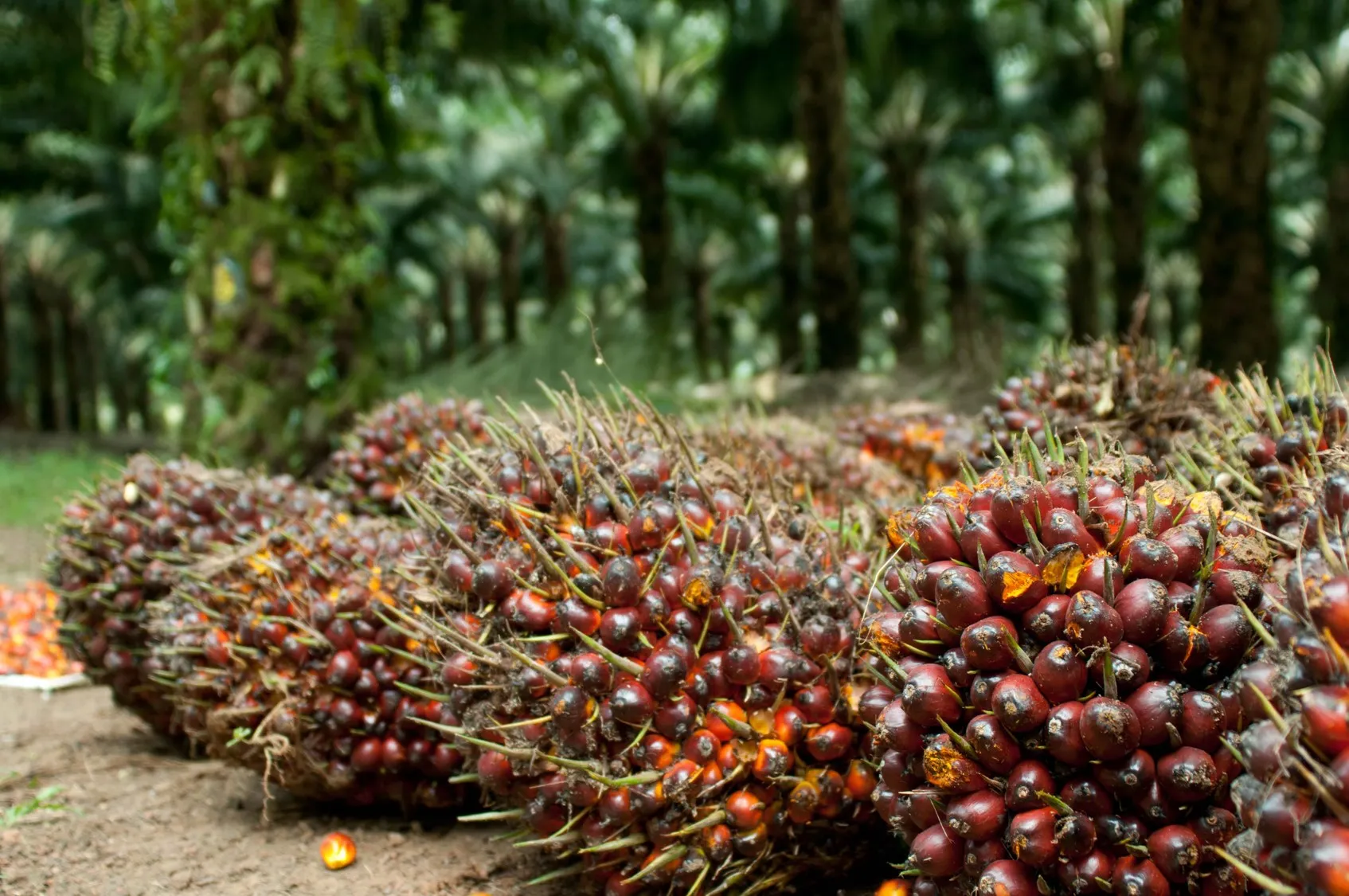
Sahat Sinaga, Chairman of the Indonesian Palm Oil Board (DMSI), has called for a total revolution within the national palm oil industry. This revolution is not just about maximizing harvest yields; it is a fundamental effort to transform mentality, technology, and governance so that farmers and SMEs (UMKM) are no longer mere objects for large corporations.
Fighting the “Crude” Stigma and Colonial Mentality
Sahat Sinaga delivered sharp criticism regarding the term “Crude Palm Oil” (CPO). According to him, the use of the word crude is a Dutch colonial legacy that unfairly stigmatizes Indonesian palm products. Meanwhile, other vegetable oils—such as soybean or sunflower oil—are never labeled as “crude.”
This stigma reflects a deeper issue: lagging mentality and governance. “Our problem isn’t the tree; it’s the people: corruption, permit manipulation, and legal non-compliance,” Sahat asserted. He views the current industry as “disorganized” and “disorderly,” making the country less attractive to foreign investors.
Technology as the Key to Change
The palm oil revolution must be fueled by technological innovation. Sahat is pushing for a shift from conventional processing (wet process, which is water-intensive and produces high liquid waste) to dry process technology.
The dry process, which utilizes low temperatures (below 85°C), offers two crucial advantages:
-
Environmentally Friendly: It generates significantly lower carbon emissions and produces zero liquid waste (POME).
-
Superior Quality: It preserves nutritional content and produces a high-value-added product: Degummed Palm Mesocarp Oil (DPMO).
DPMO, priced $15 higher than standard CPO, is seen as the key to boosting the national palm oil economy to reach Rp 2,066 trillion by 2029.
Modern Cooperatives as the Vanguard
The future of Indonesian palm oil, according to Sahat, must lie in the hands of modern palm oil cooperatives that adopt dry process technology. This business model is designed to transform farmers’ positions from mere sellers of Fresh Fruit Bunches (FFB) into owners of mini-factories.
“Starting in 2026, the progress of palm oil will be driven by SMEs and cooperatives,” he stated optimistically. He described how a single cooperative with professional management and the right technology could produce high-value oil, allowing farmers to acquire assets and fund their children’s education. Furthermore, countries like China have shown interest in investing, with compensation schemes to purchase carbon credits generated from the eco-friendly processing at these cooperatives.
This revolution demands full government support, particularly in law enforcement and transparent land certification, to eliminate the issue of “illegal land use.” Given that palm oil is a “miracle tree” producing two types of oil and hundreds of derivatives, this industry is the future—provided it is managed with an advanced mentality and technology.