


Heading Toward COP30 Brazil: Indonesia Intensifies Commitment to New and Renewable Energy


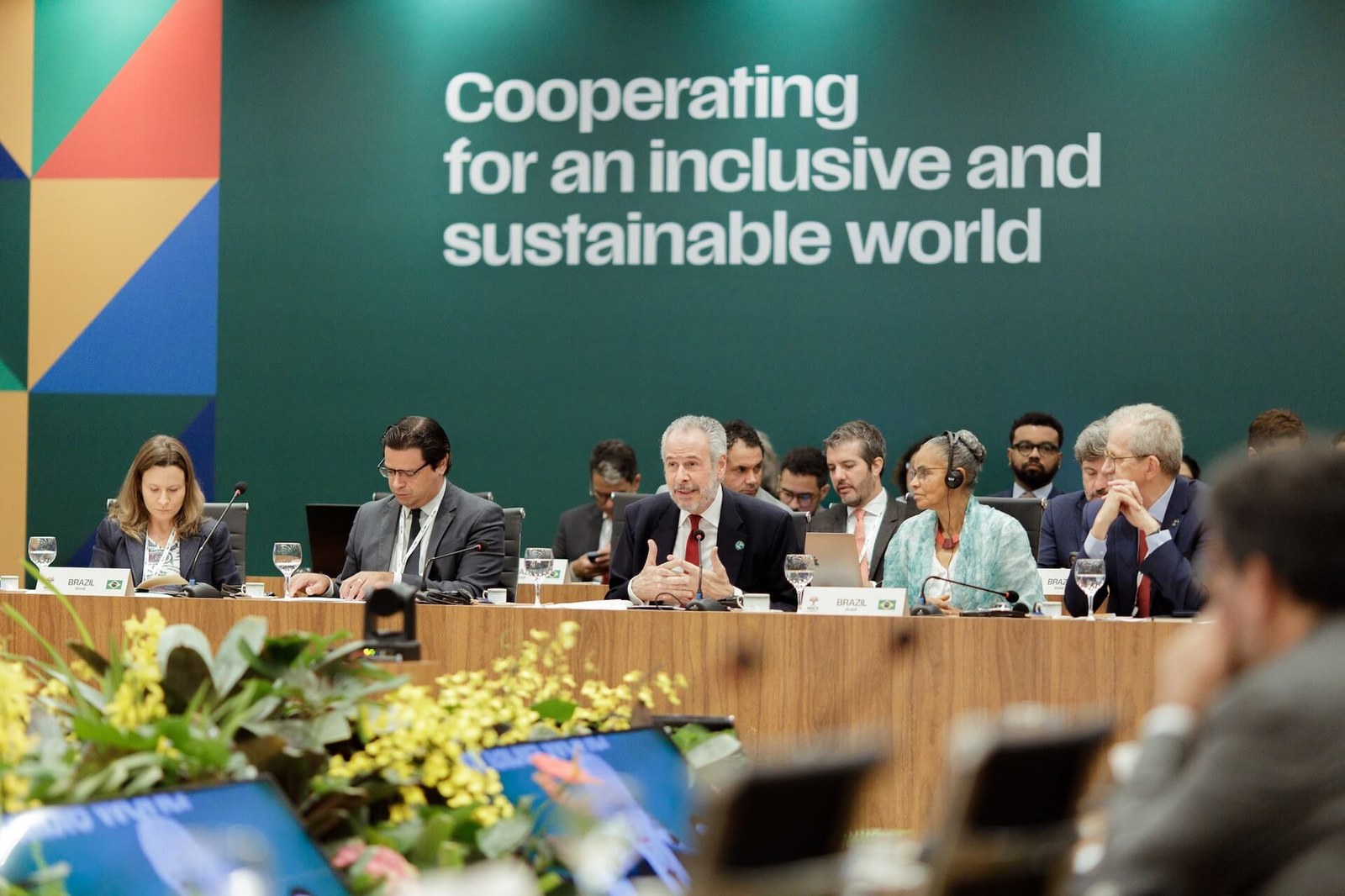
One year after COP29 in Azerbaijan, Indonesia has solidified its position as one of the most serious nations in fulfilling climate commitments. This progress is marked by an increase in its Nationally Determined Contribution (NDC) targets to 31.89% (unconditional) and 53.2% (conditional) by 2030. The implementation of these climate pledges is being realized through concrete policies, moving far beyond mere diplomatic rhetoric.
COP30: Accelerating Renewables and Bioenergy as the Foundation of Transition
The Indonesian government is focusing on accelerating the implementation of New and Renewable Energy (EBT). The 2025–2034 Electricity Supply Business Plan (RUPTL) by PT PLN shows a clear orientation: 76% of new power plants will be sourced from renewables.
This target will be supported by the construction of a 48,000-kilometer Green Super Grid, designed to transmit green electricity from renewable-rich islands outside of Java to major consumption centers.
Transformation in Transport and Bioenergy
In the transportation sector, the energy transition is moving rapidly through the now-operational B40 mandate. This policy is a concrete step to reduce reliance on fossil fuels and suppress emissions. Biodiesel has become the backbone of this effort, with Indonesia serving as a global pioneer.
Key achievements in the transport sector include:
-
Electric Vehicle (EV) Surge: Production of EVs jumped 180% in the first half of 2025, driven by fiscal incentives.
-
Hydrogen Innovation: The government is currently drafting plans to abolish the Luxury Goods Sales Tax (PPnBM) for hydrogen-based vehicles, demonstrating commitment to fuel diversification.
Concrete Results: Beyond Promises
Indonesia has proven its resolve through the implementation of regulations and strategic projects:
-
Coal Phase-Down: A total of 5.5 GW of coal-fired power plants (PLTU) will be phased out gradually.
-
Massive Capacity Increase: The government aims to add a minimum of 74 GW in renewable energy capacity.
-
National Carbon Exchange: The exchange is active with over 130 issuers and one million tons of $CO_2e$ traded, creating a market mechanism to incentivize emission reductions.
-
Bioenergy Ecosystem: The success of B35 and B40 shows the seamless integration of palm biodiesel into the national energy supply.
At the upcoming COP30 in Brazil, Indonesia will arrive not just with promises, but with a proven track record. As the world searches for an energy transition model that is fair, fast, and supportive of economic growth, Indonesia stands as living proof that such a transition is possible and executable. Now is the time for the government to expand international collaboration to accelerate technology transfer and attract new investment.