


Toward a Developed Indonesia: Bioenergy is No Longer an Option, But a Necessity


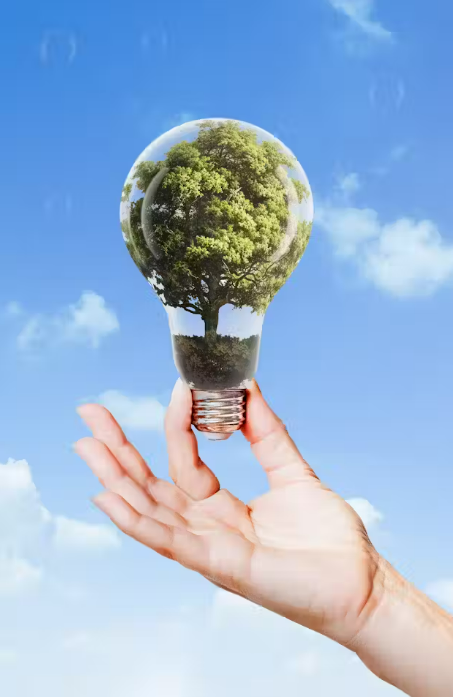
Indonesia stands at a historical crossroads. To realize the dream of becoming a developed nation, we can no longer rely on instant policies or populist narratives. A firmer foundation is required: placing energy and science at the very heart of our national strategy. The energy sector, often dismissed as a purely technical matter, is the lifeblood of civilization that determines our position in the global supply chain. By using science as our primary infrastructure, we turn energy into the path toward progress.
Developed nations do not just build toll roads; they establish energy polytechnics, tropical bioenergy research centers, and innovation ecosystems rooted in both villages and campuses. This strategy flips the logic of development—moving from top-down to bottom-up, knowledge-based, and justice-oriented.
Challenges and Opportunities in Bioenergy
In accordance with the concept of Epistemic Energy Sovereignty, energy is not merely a commodity or a short-term fiscal instrument, but a social right and a democratic space. This vision serves as the foundation for sustainable energy development in Indonesia, aligning with President Prabowo Subianto’s goals for a developed Indonesia.
This vision emphasizes downstreaming that triggers technology transfer, an energy transition that favors local innovators, and policies that encourage public participation. Indonesia has the potential to become a global leader in bioenergy. The development of biodiesel, biofuels, and bio-aviation fuel (SAF) are concrete examples of the union between energy and science.
Deep research is needed to optimize local feedstocks—such as palm oil, sugarcane, and waste—into efficient energy sources. Supporting policies, such as the B40 biodiesel mandate or trials of bioavtur from Used Cooking Oil (UCO), prove that local innovation can provide strategic solutions. By integrating science into energy policy, Indonesia can turn challenges into opportunities. Building biofuel plants in feedstock-producing regions will not only meet national energy needs but also create jobs, increase agricultural value-add, and drive the green economy.
Indonesia’s Leap Toward Developed Status
Ambitious economic growth targets are no longer just numbers on paper; they are a moral compass pointing toward a value-added and equitable economy. Without placing energy and science at the heart of development, Indonesia will remain an exporter of raw materials and an importer of technology, stuck in the middle-income trap.
However, with a steadfast commitment to sustainable energy—particularly biodiesel and other biofuel innovations—Indonesia can leap into the ranks of developed nations. We will become energy-independent, leaders in innovation, and fair in our development. Energy is the future. Science is the path. And a developed Indonesia is only possible if we unite both in a shared vision.