


Palm Oil: The Strategic Pillar of Indonesia’s Food Self-Sufficiency and Sustainable Energy


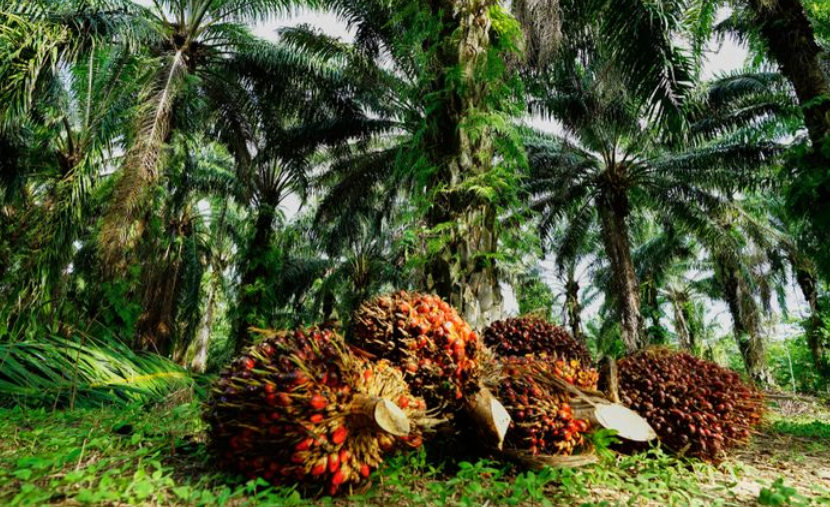
The national palm oil industry plays a vital role in realizing the government’s ambition for food self-sufficiency and sustainable energy—core components of the Asta Cita (Eight Aspirations) of President Prabowo Subianto’s Red and White Cabinet. This strategic role reflects a paradigm shift where food security and energy security have become the primary pillars of national security.
The Key Role of Palm Oil in Food Security
The palm oil industry contributes significantly to national food security through six main components:
-
Massive Production Volume: As the world’s largest producer, Indonesia generated 54.8 million tons of palm oil in 2023. Downstream industries for cooking oil, margarine, and specialty fats have expanded to meet both domestic and global needs.
-
Year-Round Availability: Unlike seasonal crops, palm oil production is stable throughout the year, ensuring a consistent supply of food products for the public.
-
Superior Nutritional Quality: Palm oil is rich in essential nutrients, including Vitamins A and E, squalene, and antioxidants, making it a nutritious food source.
-
Price Affordability: Palm-based food products, particularly cooking oil, remain the most physically accessible and price-competitive vegetable oils on the market.
-
Supporting Food Diversification: Palm oil is a versatile ingredient for processing various other food types, encouraging diverse consumption and enhancing the utilization of other agricultural products.
-
Widespread Production: With plantations in 26 provinces, the downstream industry reaches nearly the entire population, ensuring accessibility for all citizens.
Palm Biofuel: A Solution for Sustainable Energy, Renewables, and NZE
Beyond food, palm oil is a critical pillar of national energy security. It provides various forms of renewable energy that replace fossil fuels and support the Net Zero Emission (NZE) target.
1. First-Generation Bioenergy
Direct utilization of Crude Palm Oil (CPO) and Palm Kernel Oil (PKO) to produce biodiesel, green diesel, green gasoline, and green jet fuel (SAF). This is the backbone of the B35 and B40 mandates, drastically reducing fossil fuel imports and transportation emissions.
2. Second-Generation Bioenergy
Utilization of plantation biomass, such as Empty Fruit Bunches (EFB), shells, fiber, trunks, and fronds. Through conversion technologies, this biomass is turned into bioethanol, biocoal, briquettes, and biogas, providing abundant energy that does not compete with food supplies.
3. Third-Generation Bioenergy
Utilization of Palm Oil Mill Effluent (POME) to produce biogas/biomethane via methane capture technology. This is a strategic move to reduce methane emissions, which have a much higher global warming potential than $CO_2$.
The utilization of these three generations of palm-based renewables is key to Indonesia achieving its renewable energy mix targets and accelerating the NZE 2060 commitment. With its continuous and abundant availability, the palm oil industry offers a permanent solution to depleting fossil fuel reserves.