


Ethanol: More Than Just Fuel—A Symbol of National Energy Resilience


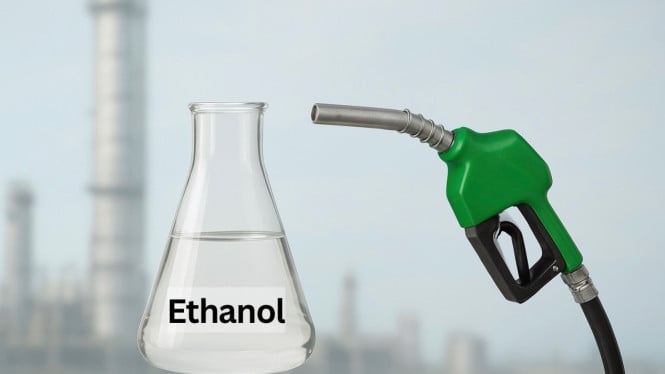
Ethanol, or bioethanol, has become a hot topic that transcends technical fuel specifications. This plant-based alcohol compound, when blended into gasoline to form gasohol (such as E5 or E10), is now viewed as a strategic instrument connecting food sovereignty, energy security, and national climate commitments.
Technically, ethanol is an environmental hero and a fuel quality enhancer. Derived from the fermentation of sugar-rich crops like sugarcane or cassava, its combustion produces cleaner emissions and helps reduce air pollution compared to pure gasoline. Its primary advantage is its high octane rating, which prevents engine knocking and allows engines to operate more efficiently. This makes ethanol a key solution for meeting greenhouse gas reduction targets.
Ethanol: A Political Choice, Not Just a Tool
According to Prof. Andy N. Sommeng, an energy expert from the University of Indonesia, a nation’s choice to adopt bioethanol is a matter of “political energy.” Global history proves this:
-
Brazil used sugarcane-based bioethanol as an energy diplomacy instrument following the 1970s oil crisis.
-
The United States made the E10 blend a standard to support agricultural lobbies and absorb corn surpluses.
This phenomenon shows that behind every ethanol blending level lies a narrative about how a nation addresses climate issues, treats its farmers, and builds energy independence.
Challenges and Impacts of Ethanol
Despite its strategic value, ethanol brings challenges to vehicle performance, especially at higher blend levels:
-
Higher Fuel Consumption: Ethanol has a lower energy density (Lower Heating Value/LHV). Consequently, vehicles require a slightly higher volume of fuel to produce the same amount of power, which can lead to marginally higher consumption rates.
-
Cold Start Problem: At low temperatures, ethanol does not vaporize easily, potentially making engines harder to start in the morning.
-
Infrastructure Readiness: Ethanol is corrosive and hygroscopic (readily absorbs water), demanding specialized storage and distribution infrastructure to prevent damage and contamination.
[Image comparing the chemical properties of ethanol versus gasoline focusing on energy density and water absorption]
Indonesia: Reviving the Bioethanol Program
Indonesia has had a fluctuating history with bioethanol; previous programs were halted due to raw material supply issues. However, the government is now seriously planning a mandatory E10 (10% ethanol blend) target, set to take effect by 2027.
This move is supported by various regulations and upstream efforts:
-
The government is preparing vast tracts of land for the development of sugarcane, cassava, and even non-food sources like sugar palm (aren) to secure supply.
-
Pertamina has launched Pertamax Green 95 (containing E5) as a market trial.
This policy is expected to reduce fuel imports that burden the national budget while stimulating regional economies through the absorption of agricultural yields. The success of the E10 program in Indonesia depends heavily on cross-ministerial coordination (ESDM, Agriculture, ATR/BPN), end-to-end industrial readiness, and clear fiscal regulations (excise taxes) to ensure fuel-grade ethanol is not hindered. Ethanol is not just gasoline; it is a reflection of a strategic choice that will determine whether we become a food-independent and energy-sovereign nation.