


After Biodiesel, Comes Ethanol: Indonesia’s Strategy Toward Gasoline Self-Sufficiency by 2028


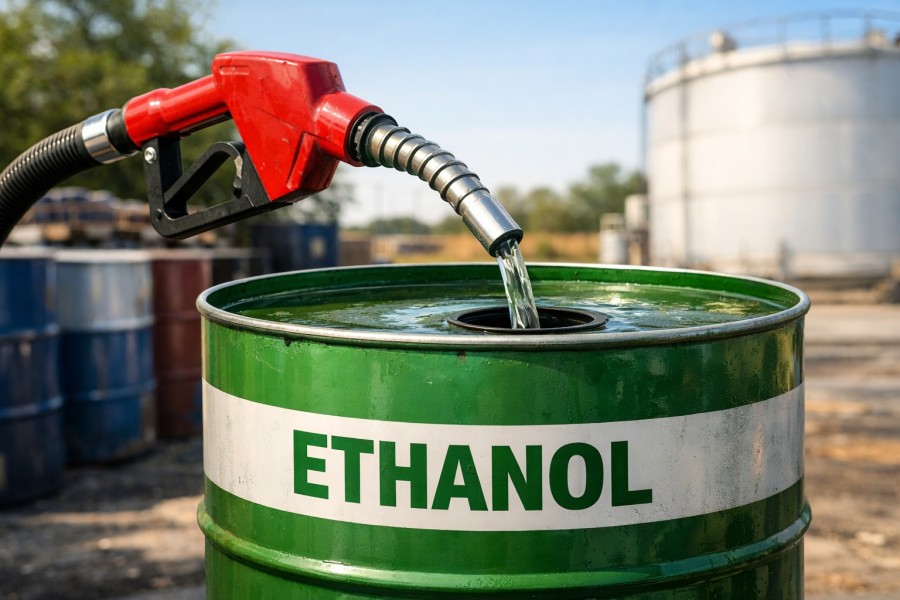
Indonesia’s success in leading the world with its biodiesel program (B35 to B40) has become the foundation for conquering the next challenge: the gasoline sector. Through the Ministry of Energy and Mineral Resources (ESDM), the government has officially set an ambitious target: the mandatory implementation of a 10% ethanol blend, or E10, by 2028 at the latest.
This move is not merely following global trends; it is a crucial strategy to strengthen national energy security, suppress high gasoline import figures, and align with President Prabowo Subianto’s Asta Cita vision to achieve energy self-sufficiency.
The E10 Ethanol Roadmap: From Discourse to Mandate
The Minister of Energy and Mineral Resources, Bahlil Lahadalia, stated in early January 2026 that the government is finalizing the bioethanol mandatory roadmap. This transition is planned to materialize gradually between 2027 and 2028.
“The roadmap is being drafted. But I guarantee that by 2028 at the latest, the mandate will be in place,” Bahlil asserted. Regulatory certainty is highly anticipated by investors and industry players to begin building supporting infrastructure, from processing plants to distribution systems at gas stations.
Mission: Reducing Imports and Saving Foreign Exchange
The urgency of ethanol development was also highlighted by BPI Danantara (Daya Anagata Nusantara Investment Management Agency). Senior Director of Danantara, Wiko Migantoro, explained that using ethanol is the most effective way to reduce the consumption of pure fossil gasoline.
By blending 10% ethanol into gasoline, Indonesia can automatically reduce national gasoline import volumes by 10%. Amidst fluctuating global oil prices, these savings will significantly impact the health of the trade balance and national foreign exchange reserves—similar to the success of biodiesel, which has saved hundreds of trillions of rupiah.
Production Challenges: Building an Upstream Ecosystem
Despite its vast potential, the road to E10 faces real challenges. Currently, domestic ethanol production only reaches approximately 400,000 kiloliters per year, mostly derived from molasses (sugarcane byproduct). This figure is still far from meeting national demand if the E10 mandate is fully implemented.
To address this, the government is building a comprehensive bioethanol ecosystem, including:
-
Feedstock Diversification: Moving beyond sugarcane to explore potential from corn, cassava, and other biomass.
-
Plant Construction: Encouraging investment in new biorefineries within agricultural hubs.
-
Regulatory Reform: A major hurdle is the excise tax. Since ethanol is also a raw material for alcohol, synchronized regulations are needed so that fuel-grade ethanol receives an excise waiver, keeping its price competitive with fossil gasoline.
Contribution to Net Zero Emission (NZE)
Ethanol is known for its high octane rating and cleaner combustion. The use of E10 will help vehicles produce lower carbon monoxide (CO) and hydrocarbon emissions. This represents a concrete step for Indonesia in meeting its Paris Agreement commitments and accelerating the achievement of the Net Zero Emission target by 2060.
A Message to the Youth: Opportunities in the Green Economy
The planned E10 mandate in 2028 is a massive opportunity for Indonesia’s younger generation. This transition requires experts in biotechnology, chemical engineering, and agribusiness supply chain management.
The youth are expected to drive innovation in discovering second-generation ethanol technology (derived from agricultural waste) to avoid competing with food security interests. This is the time for the younger generation to take a role in turning “waste” into energy, ensuring that Indonesia is not just a consumer of technology, but a global producer of clean energy.