


Sugarcane: The Tropical Champion of Bioethanol Production


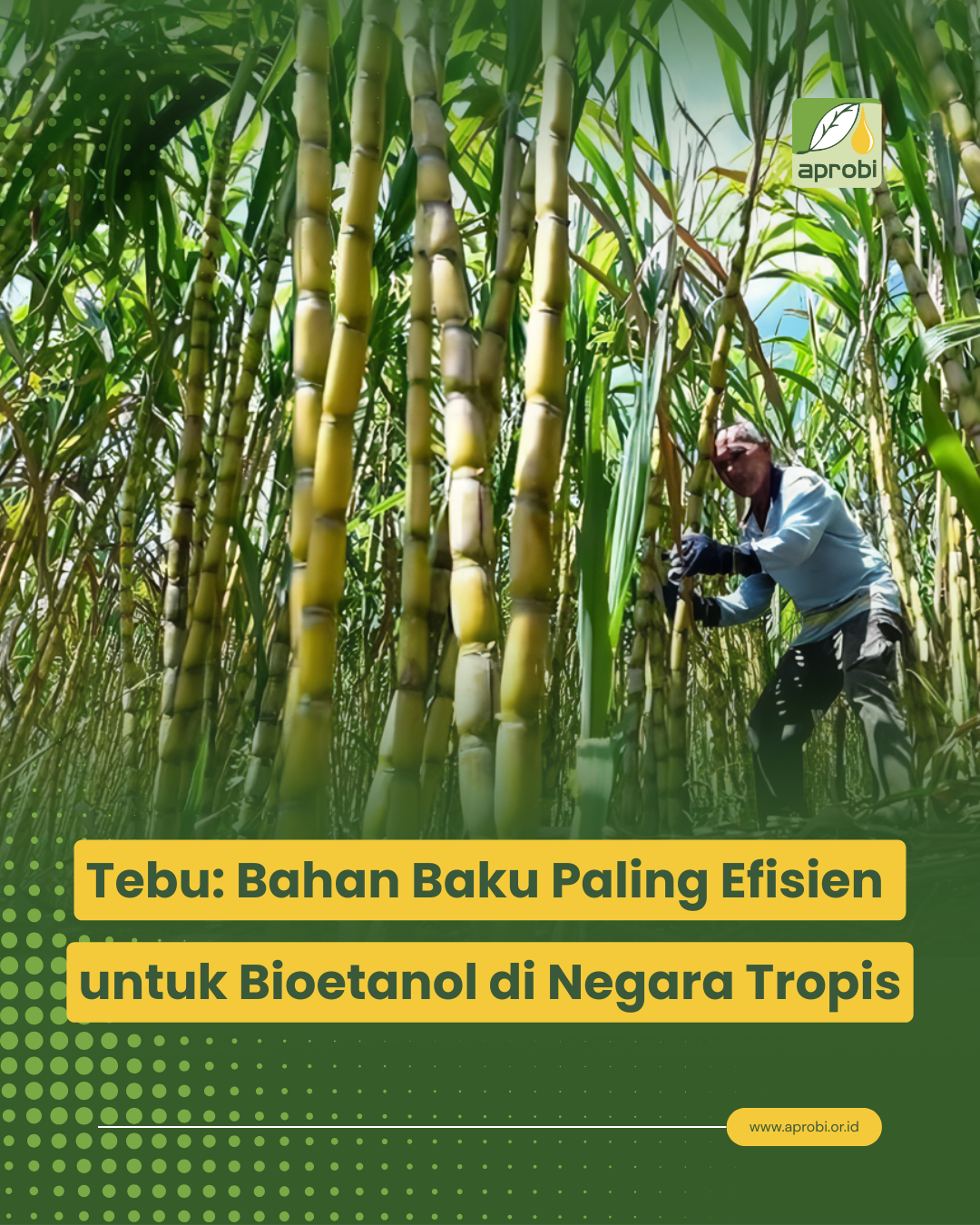
Sugarcane has long been recognized as the primary source of bioethanol, particularly in tropical nations like Indonesia and Brazil. This crop is a strategic choice due to its high sugar content, which allows for a relatively more efficient bioethanol production process compared to other feedstocks such as cassava, corn, sorghum, or even palm oil.
Production Efficiency and the Value of Waste
The process of producing bioethanol from sugarcane utilizes the fermentation of sugars found in the plant’s stalks. High levels of sucrose lead to optimal fermentation and require minimal energy during processing.
The economic value of sugarcane is further strengthened by the circular economy concept. The byproducts of bioethanol production, such as bagasse (sugarcane fiber), can be repurposed as biomass fuel for power plants or even as animal feed. This not only boosts industrial efficiency but also minimizes environmental waste.
Dual Benefits for Energy and Agriculture
The development of sugarcane-based bioethanol offers a “double win” for the nation:
-
Energy Transition: It plays a vital role in shifting toward eco-friendly energy by reducing reliance on fossil fuels.
-
Agricultural Growth: By designating sugarcane as a strategic energy commodity, new job opportunities are created, directly increasing income for local farmers.
Balance and Sustainability
While its potential as the backbone of alternative energy is immense, development must be managed carefully. Maintaining a balance between energy needs and food security is a primary concern.
Sustainable land management and the implementation of modern agricultural technology are key to ensuring that bioethanol production does not negatively impact the national food supply or environmental conservation. Given this potential, sugarcane is believed to be a cornerstone in global efforts to combat the energy crisis and climate change.