


Bio-Jet Fuel Strategy: The Wings of Indonesia’s Aviation Decarbonization


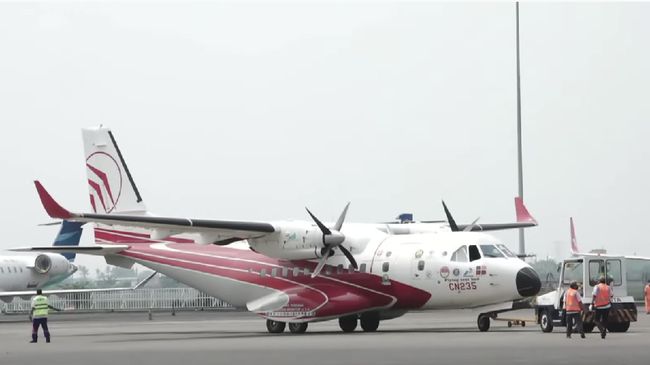
The air transport sector is frequently cited as one of the most “hard-to-abate” sectors. Unlike land transportation, which can transition to electric power on a massive scale, aircraft require fuel with high energy density to cover thousands of kilometers. Amidst these challenges, Bio-jet fuel—or Sustainable Aviation Fuel (SAF)—has emerged as a new hero in preserving the sustainability of Indonesian skies.
During the Future Leaders in Sustainable Transport (FIRST) Boot Camp in Jakarta in late January 2026, the Ministry of Transportation (Kemenhub) reaffirmed its commitment to promoting the use of biofuels in the aviation sector. This step is not merely about hitting emission targets, but a strategic effort to maintain the global competitiveness of national aviation.
Bio-Jet Fuel: A Low-Emission Aerial Strategy
Dodhy, Head of the Transport Environmental Governance Division at the Ministry of Transportation, explained that the transition to bio-jet fuel is a necessity. The aviation sector plays a strategic role in supporting the national Net Zero Emission (NZE) target. The use of bio-jet fuel is considered capable of significantly reducing dependence on fossil fuels without compromising the most crucial aspect of flight: safety.
Bio-jet fuel is designed as a “drop-in” fuel, meaning it can be blended directly with fossil jet fuel and used in existing aircraft engines without requiring major technical modifications. This allows airlines to transition seamlessly from an operational standpoint.
Current Progress: From Used Cooking Oil to Industrial Scale
Indonesia has actually already begun taking flight with green fuel. Currently, Pelita Air has pioneered the use of bio-jet fuel processed from Used Cooking Oil (UCO). While this is a proud achievement, a major challenge looms: production capacity. Although UCO holds the “greenest” image in the global market, its volume is limited. The most logical solution for Indonesia is to pivot toward palm oil, given our status as the world’s largest producer.
Dismissing Palm Oil Sustainability Issues
One of the primary hurdles highlighted by the Ministry is the international perception of palm oil. In the global market, doubts persist regarding whether palm-based bio-jet fuel is truly sustainable or if it triggers deforestation.
“The obstacle is that palm oil is still an issue; people perceive it as not yet sustainable. Moving forward, we must be able to prove that the raw materials for palm-based bio-jet fuel are truly sustainable,” Dodhy emphasized.
Providing this proof is a monumental task requiring cross-sector collaboration. Indonesia needs to strengthen certification mechanisms such as ISPO (Indonesia Sustainable Palm Oil) and conduct transparent supply chain audits so that our bio-jet fuel can be accepted by an international aviation market that is highly stringent regarding environmental regulations.
Cross-Sector Collaboration as the Key
The transition toward low-emission aviation cannot be achieved by the Ministry of Transportation alone. It requires an ecosystem involving:
-
Ministry of Energy and Mineral Resources & Pertamina: As energy providers ensuring the supply availability and quality of bio-jet fuel.
-
Aviation Industry (Airlines & Airport Operators): For operational readiness and commitment to fuel absorption.
-
Research Institutions (BRIN): To continue innovating in increasing bio-jet fuel production efficiency.
-
Farmers & Palm Oil Entrepreneurs: To ensure a supply of raw materials that meet sustainability standards.
Bio-jet fuel serves as the “wings” for Indonesia to continue flying high amidst the pressures of climate change. With strong regulatory support and proof of raw material sustainability, Indonesia has the potential to become not just a user, but a major player (exporter) of bio-jet fuel in the region. Cleaner skies are no longer just a dream, but a destination we are heading toward with technical certainty and research.